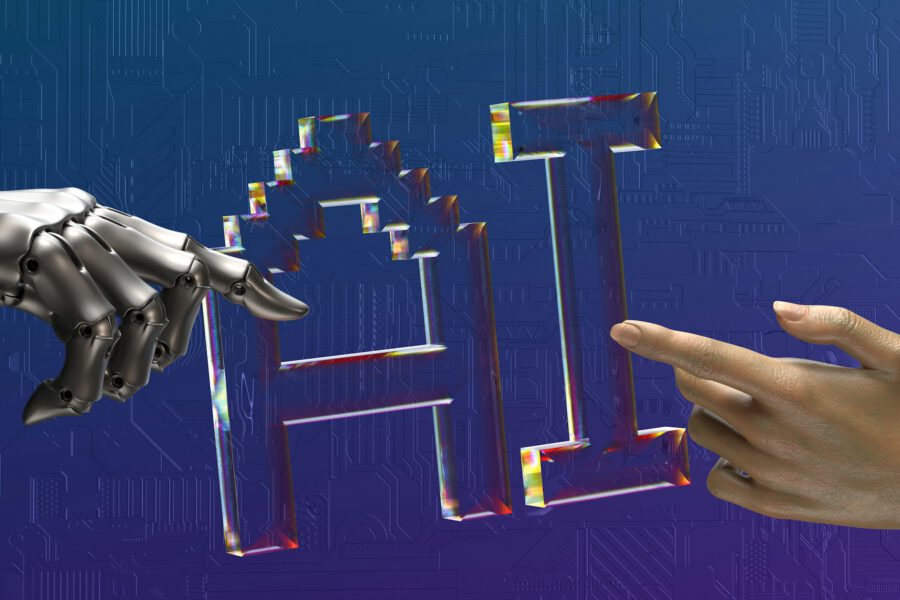

Half of all entry-level office jobs could be gone in five years. I read that claim recently, from one of the people building AI. Others in the industry disagree, and it remains unproven. Nobody yet knows what AI will do, what it won’t, or how it will be regulated.
But the doubt has already reached the classroom.
At a recent career day at our children’s school, one thing stood out: we are not all engaging with AI at the same level. Some parents work at companies where AI use is now measured in performance reviews. They know what it can do, so they pushed back.
The career guides struggled. Perhaps they hadn’t kept up. Perhaps they came to sell. Some careers they walked us through are already being replaced, and the questions kept coming.
If education is preparing our children for tomorrow’s world, how well does it understand that world itself?
Which brings me to the MBA.
Much of what an MBA teaches can now be learned through AI and applied the same day. Nine units can shrink into a one-page lesson. Some of it is already out of date.
So the tug is real. Why spend two or three years on a degree when you could learn the same content, practise it on real work, and be miles ahead of your mates?
I don’t believe formal education has lost its place. But what it offers must change. AI can teach you frameworks. It can’t yet give you judgement sharpened by people who disagree with you, or a network that outlasts the course.
We are all wading through these waters, and nobody can see the far bank yet.
So, are we pursuing these qualifications for the knowledge they provide, or for the credentials they confer?
Something worth pondering.